Physical Address
304 North Cardinal St.
Dorchester Center, MA 02124
Physical Address
304 North Cardinal St.
Dorchester Center, MA 02124

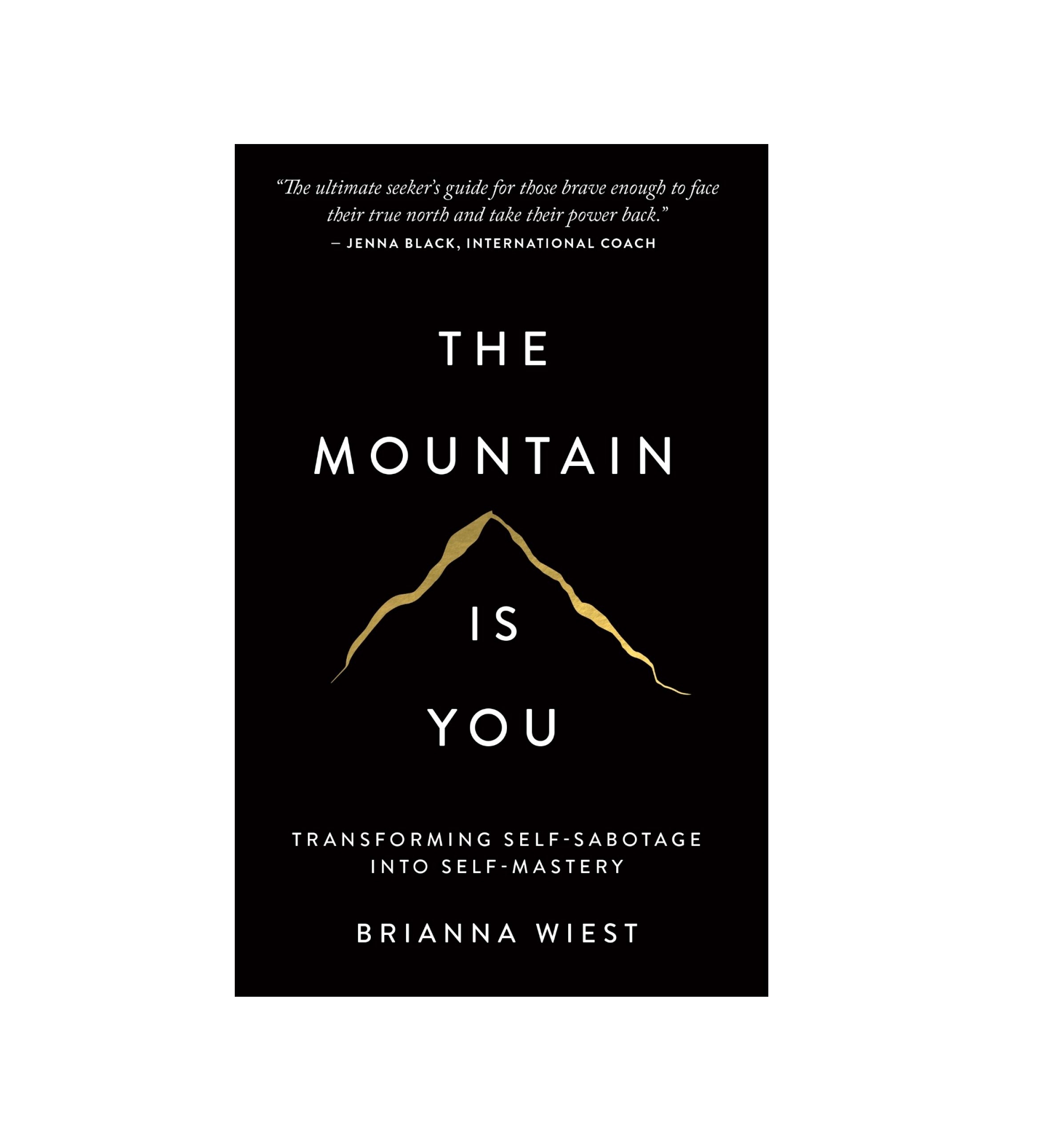
One day, the mountain that was in front of you will be so far behind you, it will barely be visible in the distance. But who you become in learning to climb it? That will stay with you forever. That is the point of the mountain.
If you find yourself procrastinating, quitting when things get hard, or repeating unhelpful patterns, this book directly addresses those behaviors and their roots.
🧗 Anyone Facing a Personal “Mountain”
The “mountain” is a metaphor for inner obstacles. Whether it’s fear, self-doubt, or emotional wounds, the book is written for those who feel stuck and want to break through.
📚 Readers Interested in Self-Development
If you enjoy books about mindset, emotional intelligence, and transformation (like Atomic Habits or The Untethered Soul), you’ll find this one equally insightful.
🔄 Those Going Through Life Transitions
Big changes — career shifts, breakups, new goals — often trigger self-sabotage. This book helps readers reframe challenges as opportunities for self-mastery.
💔 People Seeking Emotional Healing
The book is especially valuable if you’re trying to understand how past experiences, limiting beliefs, or unresolved emotions shape your present behavior.
🚀 Aspiring Leaders & Entrepreneurs
Success often depends on mastering yourself before mastering external challenges. Leaders, creatives, and entrepreneurs can benefit from the practical insights on resilience and self-discipline.
🪞 Anyone Who Feels “Their Own Worst Enemy”
If you’ve ever felt like the biggest obstacle in your life is you, this book was written with you in mind.
Brianna Wiest’s The Mountain Is You is a deep exploration of self-sabotage and personal transformation, built around the central metaphor of “the mountain.” The mountain represents the block between you and the life you want to live. It symbolizes the fears, wounds, and limiting beliefs that stand in the way of growth. But crucially, facing this mountain is also the only path to freedom, healing, and becoming the person you are meant to be.
Wiest defines self-sabotage as the unconscious fulfillment of a hidden need. It is not laziness or lack of ambition; it’s what happens when we avoid meeting our deepest needs consciously because we fear we can’t handle them. Many of our most sabotaging behaviors are rooted in unexamined fears, outdated narratives, or learned associations from childhood.
For example, someone afraid of being a passenger in a car may actually fear losing control in life, not the car itself. Or someone striving for financial stability may subconsciously resist wealth because they were raised to believe rich people are greedy or immoral. In this way, self-sabotage becomes a defense mechanism, a way to avoid the deeper fears we cannot face directly.
Self-sabotage is often the first sign that our inner narrative is outdated or limiting. Human beings are wired for comfort more than happiness; we cling to what is familiar, even if it keeps us unhappy. Abstract fears often mask real ones, and we project our anxieties onto safer, symbolic issues. Resistance to change stems from the ultimate fear: loss of control.
Our brains are programmed to return to the familiar. What we believe about life tends to become self-fulfilling, which is why unlearning old beliefs is so essential. Rock bottom, Wiest argues, becomes a turning point — the moment we finally admit the problem isn’t the world, but how we are relating to it.
One recurring form of self-sabotage is re-creating old relationship dynamics. People may unconsciously choose partners who mirror childhood experiences of rejection, abandonment, or dysfunction. By reliving these patterns as adults, they seek to rewrite their past — but often end up trapped in cycles of hurt.
Other people sabotage themselves simply by clinging to problems, because problems feel familiar. Letting go of them would require stepping into the unknown.
Wiest introduces the idea of an “upper limit” — the maximum amount of happiness or success we unconsciously allow ourselves. When we surpass this limit, we begin to sabotage our progress to return to what feels safe. This may manifest as physical pain, anxiety, guilt, or behaviors like overspending, disorganization, or even constant busyness.
Counterintuitively, we are not wired for happiness, but for comfort. Anything outside of comfort feels threatening until it becomes familiar.
Wiest highlights several self-sabotaging patterns:
Much of self-sabotage is tied to false associations and coping mechanisms. For example:
Wiest stresses that transformation does not come from dramatic breakthroughs. Change is built on micro shifts — small, consistent decisions repeated daily until they form habits. Reading one page, drinking one glass of water, or going to bed ten minutes earlier may seem insignificant, but over time, these small actions compound into lasting change.
Facing fear is also essential. Fear cannot be out-thought; it can only be weakened by action. Worry, overthinking, and avoidance don’t protect us — preparation and courage do.
She also warns against the spotlight effect — the belief that everyone is scrutinizing us. In reality, most people are focused on their own lives. Freeing ourselves from imagined judgment allows us to live authentically instead of for others’ approval.
True happiness, Wiest argues, is not about massive highs like vacations or big paychecks, but about small daily joys — a cup of coffee, a sunrise, meaningful relationships. Happiness is found in the present moment, not in the constant pursuit of future milestones.
Healing also means redefining success for who we are now, not who we once were. We must stop chasing outdated dreams that belonged to a younger version of ourselves. Letting go of an old identity is the first step to creating space for the person we are becoming.
She emphasizes that trauma reshapes the brain, but it can be healed through recreating safety and re-engaging with the very areas of life we fear. Avoidance doesn’t resolve trauma — facing it does.
Ultimately, the “mountain” we face is ourselves. Our fears, limiting beliefs, and self-sabotaging behaviors stand in the way of growth. But the act of climbing — confronting resistance, embracing discomfort, and making small, consistent shifts — transforms us. The mountain is not just a barrier to overcome; it is the path itself.
The true point of the mountain is not reaching the summit but becoming the person who was capable of climbing it.
🌋 Your “Mountain” Is Yourself
The obstacles you face aren’t just external — they’re often your own fears, limiting beliefs, and self-sabotaging behaviors. Conquering the mountain means mastering yourself.
🪞 Self-Sabotage Is Self-Protection
We sabotage ourselves not because we’re weak, but because our subconscious is trying to protect us from fear, failure, or rejection. Awareness is the first step to change.
🧩 Emotions Are Data, Not Weakness
Negative emotions reveal where healing is needed. Instead of ignoring or suppressing them, use them as a guide to understand unmet needs and hidden truths.
🔄 Transformation Requires Repetition
Growth is not a single breakthrough — it’s small, repeated choices that rewire habits, rebuild confidence, and align actions with values.
💪 Discipline Creates Freedom
True freedom comes from self-mastery. By practicing discipline, we gain the stability and clarity needed to create the life we want.
🌱 Healing Is Ongoing, Not a Destination
Climbing one mountain doesn’t mean life becomes effortless — but each mountain conquered builds resilience and prepares you for the next challenge.
❤️ “The greatest act of self-love is to no longer accept a life you are unhappy with. It is to be able to state the problem plainly and in a straightforward manner.”
🛋️ “Human beings are guided by comfort. They stay close to what feels familiar and reject what doesn’t, even if it’s objectively better for them.”
🌍 “It is very hard to show up as the person you want to be when you are surrounded by an environment that makes you feel like a person you aren’t.”
💼 “Extremely successful people have no guilt whatsoever.”
🤔 “Of all the things that nobody tells you about life, that you might not experience instantaneous happiness after a positive life change is perhaps the most confusing.”
🔥 “We often resist most deeply the things we want most.”
🎯 “Instead of trying to use your intelligence to hack what’s next, try to get better at where you are currently. That’s what’s really going to change the outcomes of your life.”
😨 “The more you avoid fear, the more intense it becomes.”
🔍 “When something is right for you, it brings you clarity, and when something is wrong for you, it brings you confusion.”
🦋 “Healing your mind is completely different, because you aren’t returning to what you were before. You are gutting yourself and becoming someone entirely new.”
⏳ “One of the most common pitfalls of people who try but do not succeed in releasing their past is that their focus remains on just that – the past.”
⚡ “Powerful people are not delusional. They do not believe they are perfect all the time at everything. This is not what makes them mentally strong. Instead, powerful people are very aware of their varying strengths and weaknesses.”
⛰️ “One day, the mountain that was in front of you will be so far behind you, it will barely be visible in the distance. But who you become in learning to climb it? That will stay with you forever. That is the point of the mountain.”
💡 It Simplifies Complex Psychology
Brianna Wiest takes concepts from psychology, emotional intelligence, and personal growth, and explains them in simple, relatable language. Readers don’t need a background in psychology to understand — everything feels accessible.
🪞 It Holds Up a Mirror
Instead of blaming external factors, the book encourages readers to look inward. This self-awareness can be uncomfortable, but it’s also incredibly empowering — because the moment you see the problem clearly, you also see the solution.
📖 It’s Structured for Reflection
The book is broken into short, digestible chapters, making it easy to pause, reflect, and journal. It feels less like a lecture and more like a guide you can revisit at different stages of your life.
🔥 It Speaks to Real Struggles
Self-sabotage is something nearly everyone experiences — procrastination, fear of failure, or staying in comfort zones. Wiest normalizes these struggles and shows how to turn them into stepping stones instead of roadblocks.
❤️ It Combines Compassion with Challenge
The tone is both empathetic and firm. Readers feel understood, but they’re also pushed to take responsibility and make changes. This balance is what makes it motivating rather than just comforting.
🔄 It’s Practical and Action-Oriented
Instead of only offering inspiration, the book gives tools, perspectives, and exercises readers can apply in real life. It’s not just about “feeling better” — it’s about building lasting change.
⛰️ It Uses a Powerful Metaphor
The mountain becomes a universal symbol of the challenges we all face. By framing personal growth as climbing a mountain, the book makes the journey feel purposeful and heroic.
📌 I Became Aware of My Own Self-Sabotage
Before reading this book, I didn’t realize how often I was standing in my own way — procrastinating, doubting myself, or avoiding opportunities out of fear. Brianna Wiest helped me see that self-sabotage wasn’t a flaw, but a signal that I needed healing.
🪞 I Learned to Face My Emotions Instead of Avoiding Them
I used to push down negative feelings, thinking they were weaknesses. This book taught me to see emotions as information — messages from my inner self. Once I started listening, I could actually address the root causes of my behavior.
🎯 I Stopped Waiting for the “Perfect Moment”
I used to believe change required huge breakthroughs. The book reminded me that transformation is about consistent, small steps. This shifted my mindset: instead of waiting, I started acting — even imperfectly.
💪 I Began Practicing Discipline as Self-Love
Discipline used to feel restrictive to me, but Wiest reframed it as a path to freedom. By committing to routines and goals, I built trust with myself — and that self-trust changed everything.
🌄 I Reframed Challenges as Opportunities
Now, when I face difficulties, I don’t just see them as obstacles. I see them as my “mountains” — the very things shaping me into a stronger, wiser version of myself.
The Mountain Is You isn’t just another self-help book — it’s a guide to facing the hardest truth of all: that we are often our own biggest obstacle. Brianna Wiest’s words remind us that self-sabotage isn’t a life sentence but an opportunity to grow.
What makes this book so powerful is its balance: it’s compassionate yet challenging, reflective yet practical. It doesn’t promise overnight change, but it does offer the tools and mindset shifts needed to transform inner struggles into strength.
Whether you’re battling procrastination, navigating a life transition, or simply feeling stuck, this book can give you the clarity and courage to climb your own mountain. And once you begin, you’ll realize the mountain was never there to block you — it was there to help you rise.