Physical Address
304 North Cardinal St.
Dorchester Center, MA 02124
Physical Address
304 North Cardinal St.
Dorchester Center, MA 02124

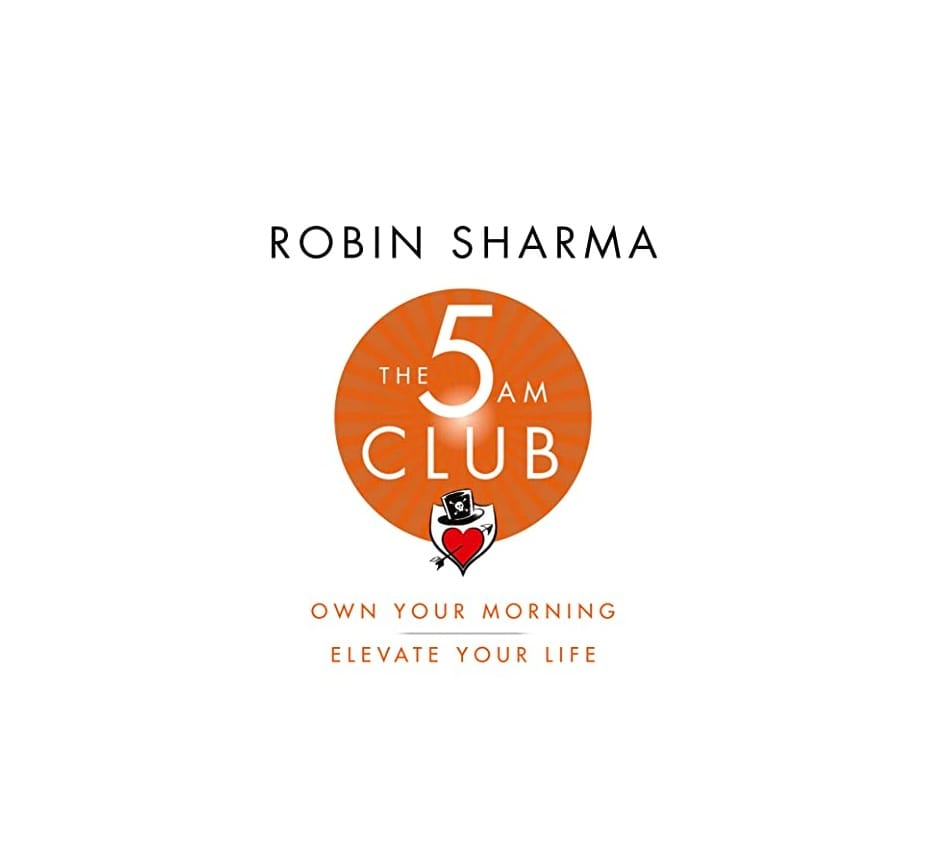
This book is best suited for people who feel like their days are running them instead of the other way around. If you’re a professional who hits the ground reacting to emails and meetings before you’ve had a single intentional thought of your own, Robin Sharma’s framework is built for you. It’s also a strong fit for entrepreneurs, creatives, and anyone in a season of burnout who suspects the problem isn’t a lack of time but a lack of structure around the time they have. People who enjoy business fables — stories with a narrative wrapped around the advice — will enjoy the format more than readers who just want a bullet-point manual. If you’ve tried productivity systems before and abandoned them within a week, this book’s emphasis on identity change rather than willpower might land differently for you.
The book follows two characters, an entrepreneur and an artist, both stuck and exhausted, who meet an eccentric billionaire mentor known as “The Spellbinder.” He teaches them his morning routine, built around waking at 5 a.m. and following a structured first hour he calls the “20/20/20 Formula”: 20 minutes of intense exercise, 20 minutes of reflection (journaling, meditation, or prayer), and 20 minutes of learning (reading or studying). Sharma frames this hour as the foundation for what he calls a “Victory Hour,” the one part of the day you fully control before the world makes its demands on you. Around this core habit, the story weaves in lessons on neuroscience, habit installation, mortality, and legacy, delivered through the mentor’s conversations with the two protagonists as they each go through their own personal transformations.
The 5 AM Club works because it bundles a single, simple behavior change (wake up earlier) with a complete philosophy that makes the behavior feel meaningful rather than arbitrary. The story format does real work here — instead of just telling you to wake up early, Sharma shows two flawed, relatable people doing it badly at first, which makes the eventual payoff feel earned rather than preachy. The book also succeeds because it’s specific: the 20/20/20 structure gives readers something concrete to copy on day one, rather than a vague instruction to “be more disciplined.” Finally, it works because it speaks to a feeling a lot of high performers have — that they’re competent at their job but not at their life — and offers a low-cost, high-symbolism way to start reclaiming that.
This is the one section only you can write authentically — I don’t have your actual experience with the book, and an article like this loses credibility fast if the personal section reads as generic or invented. To help you draft it, think through:
If you tell me your actual experience, I can help you shape it into tight, well-written prose.
The 5 AM Club isn’t really a book about waking up early — that’s just the entry point. Underneath the routine, it’s an argument that the ordinary hours of your day, especially the first one, are where your future self is built or eroded, one repetition at a time. The book’s biggest strength and its biggest limitation are the same thing: it asks for genuine behavior change, not just inspiration, which means readers who actually implement it tend to get real results, while readers who just enjoy the story and never start the routine will get little from it. For your article, it’s worth being honest with readers that the 5 a.m. wake time itself is somewhat arbitrary — the deeper principle, protecting a quiet hour before the day’s demands begin, is what actually matters, and it’s adaptable to anyone’s schedule and chronotype.